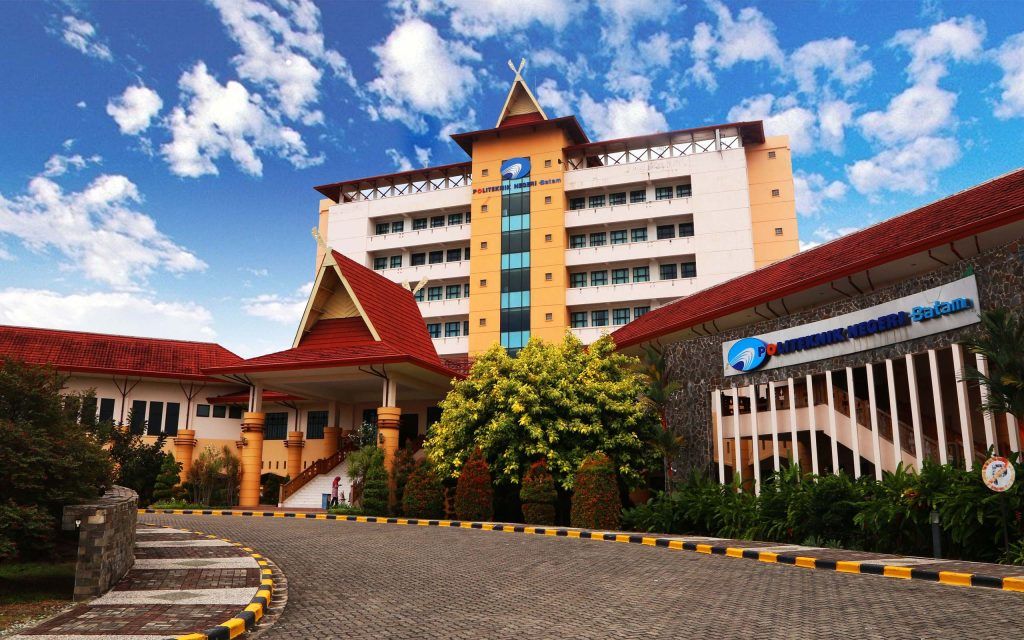
ESIA-ESMP for the Technovation Tower and Hub (TECXSA), Politeknik Negeri Batam
- Client
- Politeknik Negeri Batam
- Location
- Batam, Kepulauan Riau, Indonesia
- Status
- Ongoing
- Period
- 2026 — Present
Project Overview
Politeknik Negeri Batam is developing the Technovation Tower and Hub (TECXSA) within its Batam Center campus in Riau Islands Province, supporting the institution's ambition to become a centre of excellence in semiconductors and artificial intelligence. The programme covers demolition of three existing single-storey workshop buildings followed by construction of one integrated facility with a building footprint of about 5,720 m² and a total floor area of roughly 28,734 m².
The Tower houses teaching and research space together with an AI Data Center and basement parking. The Hub accommodates automation and robotics workshops, a semiconductor teaching factory, a metallurgy workshop, and occupational safety and waste treatment laboratories — including wafer fabrication support and silica purification at prototyping scale. The development is financed through an Asian Infrastructure Investment Bank loan and must therefore satisfy both Indonesian environmental law and the AIIB Environmental and Social Framework.
Our engagement covers preparation of the ESIA and ESMP as a standalone package, delivered in close coordination with the institution's separate AMDAL, technical approval and traffic study workstreams so that methodology, baseline data, impact findings and management measures remain aligned across every document.
Scope of Work
Project and area-of-influence description spanning direct, indirect and cumulative effects across the demolition, construction and operational phases of both Tower and Hub.
Legal framework review and gap analysis between Indonesian regulation and the AIIB ESF.
Screening and scoping, including stakeholder identification and assessment of Associated Facilities such as the BP Batam district wastewater system and utility networks.
Alternatives analysis, including the no-project scenario.
Biophysical baseline — ambient air quality, noise and vibration, surface water, groundwater, water supply and soil quality, plus asbestos-containing material screening across the three workshop buildings to be demolished.
Biodiversity survey of flora, fauna and aquatic biota appropriate to an urban campus setting.
Socio-economic baseline covering community health, gender, labour and cultural heritage where affected.
Gender analysis and Gender Action Plan identifying baseline conditions, risks, gaps and opportunities to advance gender equality, embedded within the ESMP.
Risk and impact assessment covering cumulative effects, greenhouse gas mitigation and climate adaptation (CRVA), occupational and community health and safety, labour and working conditions, and vulnerable groups.
Land Acquisition and Resettlement Due Diligence (ESS2), integrated within the ESIA — verification of tenure basis through asset handover records and land use certificates, land acquisition history, and field confirmation that no informal land users, tenants or affected economic activity are present on or around the site.
Contractor ESMP framework (C-ESMP) as the basis for the contractor's Site-Specific ESMP, covering traffic, waste, pollution prevention, occupational safety, emergency response, and hazardous materials and waste management.
Stakeholder Engagement Plan and Grievance Redress Mechanism integrated with the institution's existing complaint channels, including escalation procedures and access to the AIIB Project-affected People's Mechanism.
ESMP with monitoring and reporting programme, institutional arrangements, capacity needs and implementation cost estimate, plus recommendations to strengthen the institutional environmental management system.
Technical Highlights
Semiconductor process risk deep-dive — handling and storage of acids, solvents and process gases, process safety, emergency preparedness, and characterisation of laboratory and teaching factory hazardous waste streams.
AI Data Center energy demand and cooling load considerations within the impact assessment.
Demolition study — method statement, dust, noise and vibration control, debris and ACM handling, and safety of a campus that remains fully operational.
Impact modelling for air dispersion, noise and drainage and hydrology.
Meaningful public engagement and information disclosure, with participatory sessions dedicated to women and vulnerable groups.
Bilingual delivery in Indonesian and English, revised through successive review rounds until AIIB clearance.
Deliverables
ESIA-ESMP with integrated SEP, GRM, Gender Action Plan, C-ESMP framework and LARDD, together with full documentation of the stakeholder engagement process, revised through AIIB review to final approved version.
Capabilities this work demonstrates
Environmental and Social Impact Assessment (ESIA)
Stakeholder Engagement Plan (SEP)
GIS Data Creation and Analysis
Waste and Wastewater Management
Related projects
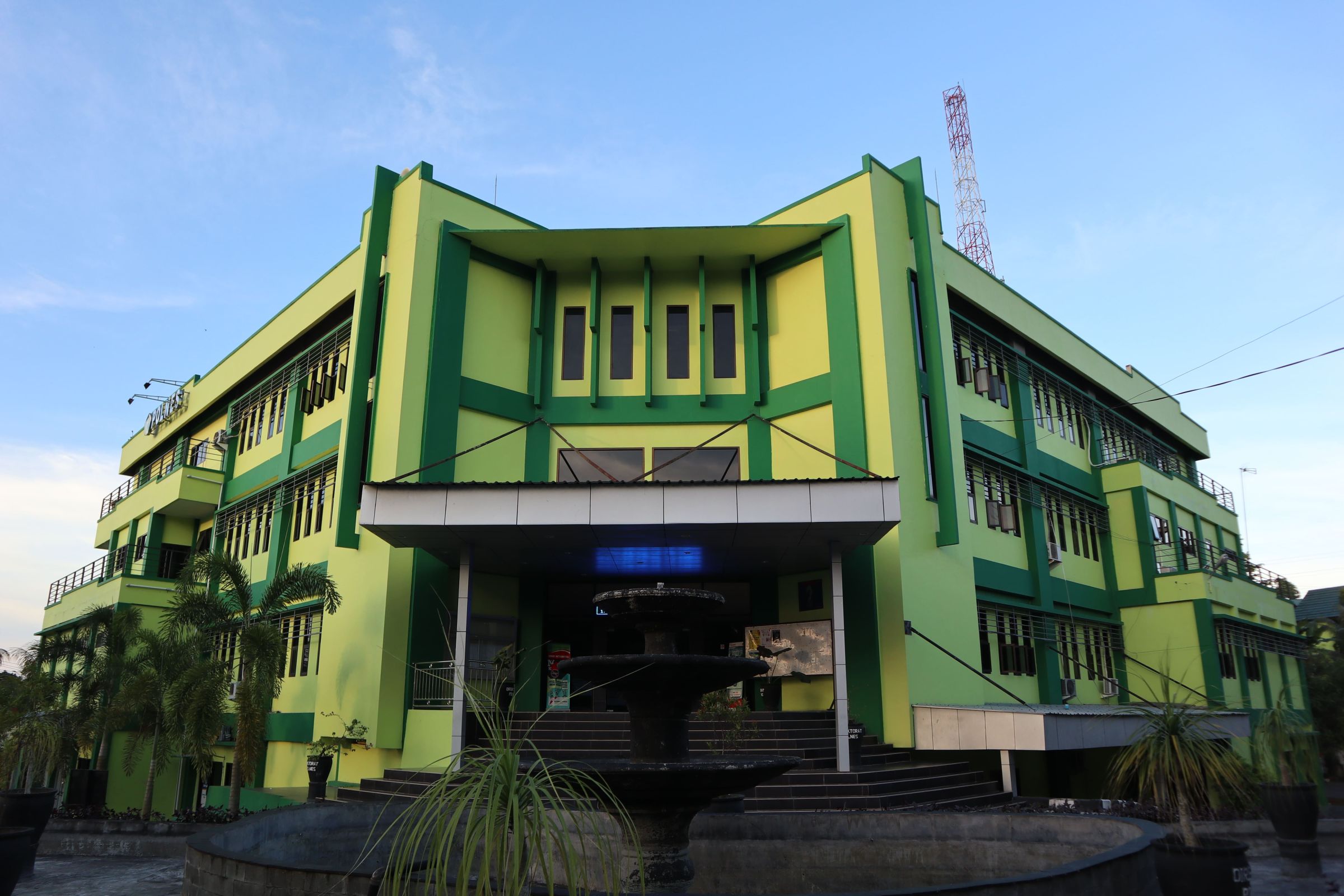
Environmental and Social Safeguard Studies for the Integrated Laboratory and Integrated Workshop Buildings, Politeknik Negeri Samarinda
2026 · Politeknik Negeri Samarinda · Indonesia
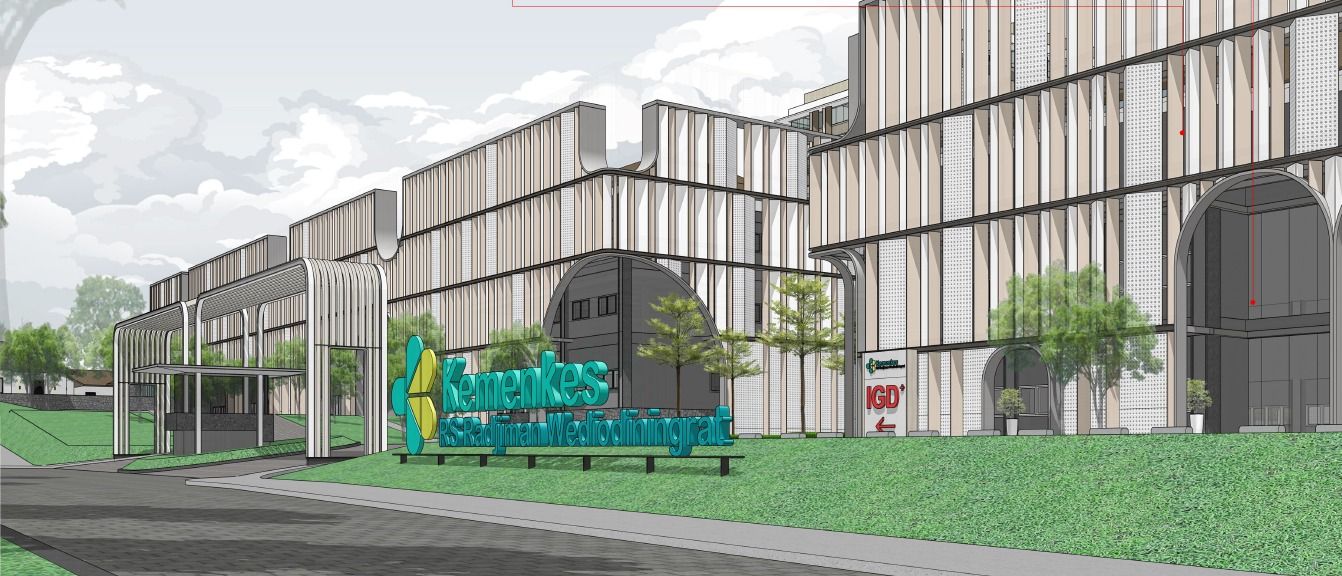
Environmental and Social Impact Assessment (ESIA) & Environmental Management Planning Consultancy - RSJ Dr. Radjiman Wediodiningrat
2026 · RSJ Dr. Radjiman Wediodiningrat Kemenkes - AIIB · Indonesia
Environmental and Social Impact Assessment (ESIA) & Environmental Management Planning Consultancy - RSUP Dr. Sitanala
2026 · RSUP Dr. Sitanala - Kemenkes - AIIB · Indonesia
Interested in a Similar Project?
Talk with our experts about solutions tailored to your project.